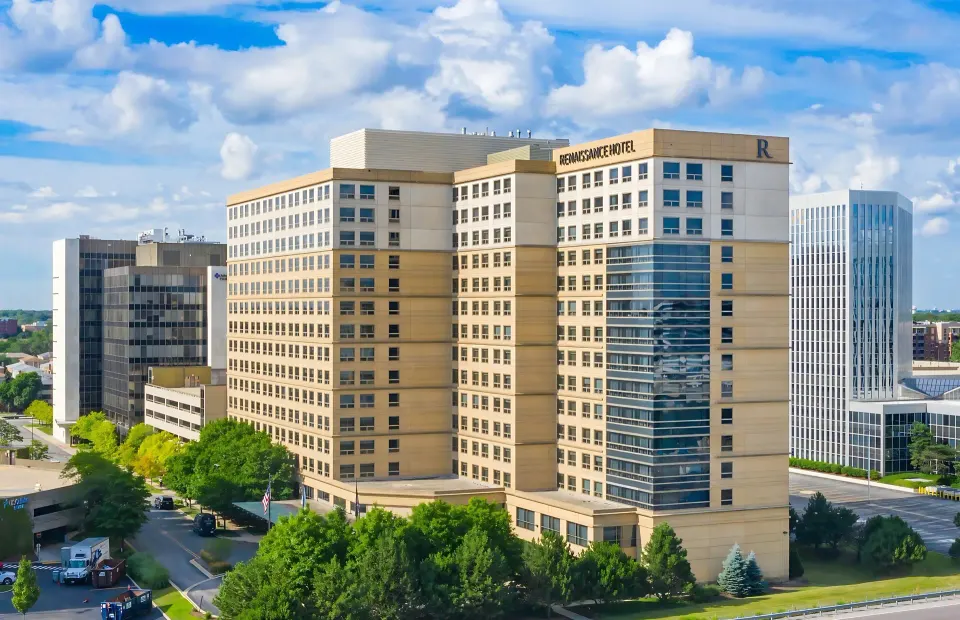
Best time to visit month-by-month for Chicago and O’Hare area
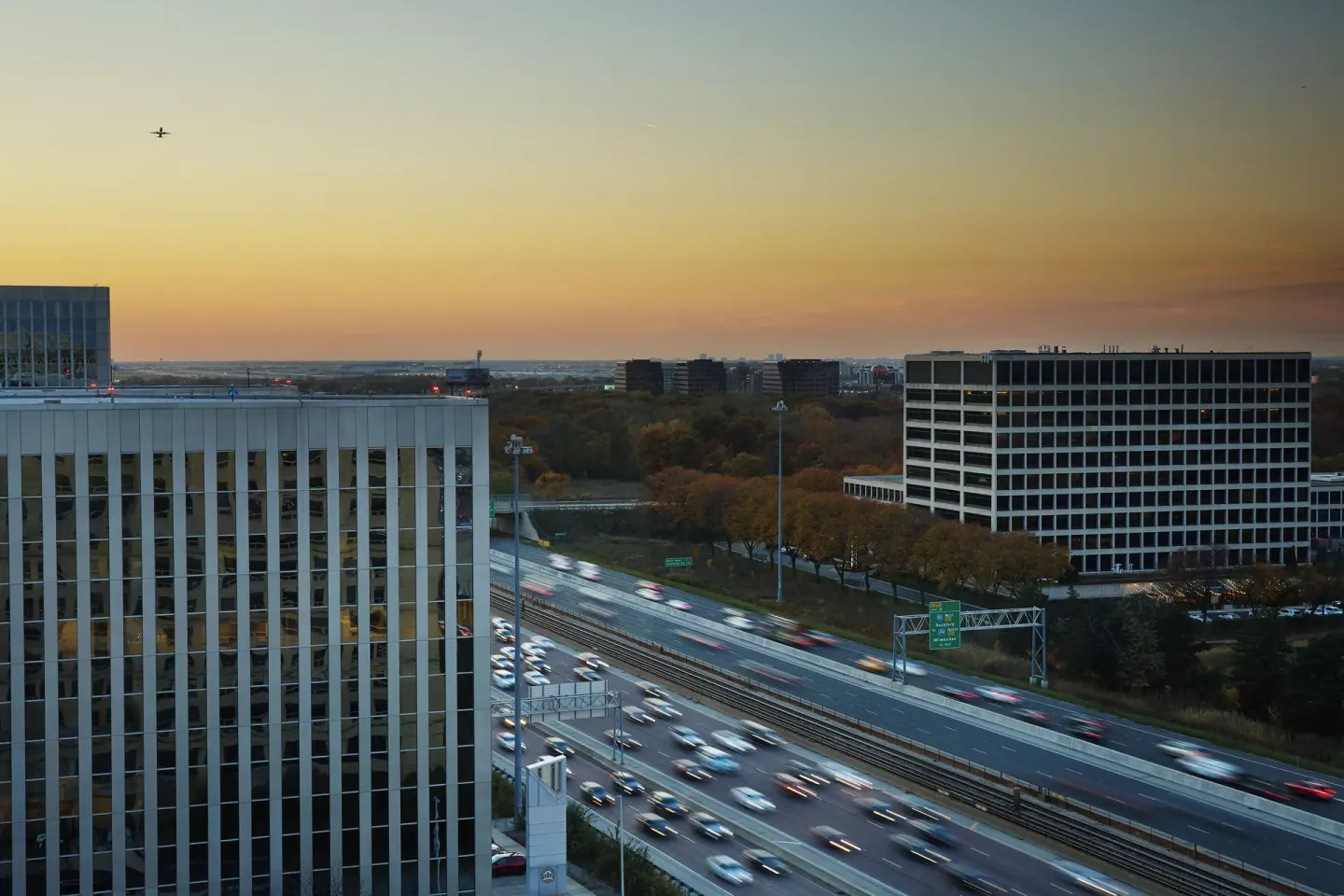
The best months to visit Chicago and the O’Hare area for pleasant weather and manageable crowds are late spring (May–June) and early fall (especially September). Winters (December–February) are cold with snow and travel disruptions possible, while summer brings warm weather, humidity, and afternoon thunderstorms.
In this guide
- January–February: Winter travel and business trips
- March–April: Spring shoulder season (variable weather)
- May–June: Late spring — one of the best times to visit
- July–August: Summer — warm, humid, and lively
- September–October: Early fall — the best balance of weather and crowds
- November–December: Late fall into the holidays
January–February: Winter travel and business trips
Expect cold temperatures, frequent snow, and the possibility of travel delays in January and February. Average temperatures are around 30°F with notable snowfall in January.
This period suits travelers focused on conferences, visiting nearby convention or entertainment venues, or needing a hotel close to O’Hare. The hotel offers its complimentary 24-hour airport shuttle and indoor amenities that are helpful in winter.
- Indoor pool and whirlpool/hot tub available for guest use (wheelchair-accessible entry).
- Complimentary 24-hour airport shuttle helps when flights are delayed or canceled.
- CTA Blue Line access provides a reliable alternate route to downtown when road conditions are poor.
| Considerations | Why it matters |
|---|---|
| Weather | Cold, snowy — pack warm layers and winter footwear |
| Transit | Airport shuttle and nearby Blue Line are useful during road incidents |
| Hotel comfort | Indoor pool, whirlpool, sauna, and 24-hour fitness center keep plans flexible |

March–April: Spring shoulder season (variable weather)
Spring brings major temperature swings and rain. March still feels wintry, while April becomes milder but can be windy and rainy — plan for layers and a waterproof jacket.
These months are good for travelers looking to avoid peak crowds and save on fares, but be prepared for some wet days and brisk winds in early spring.
- Pack layers: warm base layers for March, lighter layers for April.
- Bring an umbrella and waterproof shoes for rain and puddles.
- Use the hotel’s indoor amenities (Asado Urban Grill, The Market, Starbucks) on cooler or rainy days.
| Month | Typical conditions |
|---|---|
| March | Cold to cool, variable precipitation |
| April | Milder, windy, more rain than sunshine |
May–June: Late spring — one of the best times to visit
Late spring delivers warming temperatures and fewer tourists than peak summer. May–June often offers comfortable days for sightseeing and transit trips into downtown via the CTA Blue Line.
These months are ideal for outdoor activities at nearby parks or quick trips to Fashion Outlets of Chicago without the summer humidity.
- Expect highs in the 60s–70s°F in May and warming in June.
- Good balance of pleasant weather and thinner crowds compared with July–August.
- Great time for visiting outdoor nearby attractions and taking the Blue Line into the Loop.
| Why visit now | Hotel advantages |
|---|---|
| Milder weather for walking and shopping | Direct pedestrian access to CTA Blue Line; comfortable on-site dining options |
| Lower humidity than summer | Indoor pool and fitness center still available if needed |
| Easier transit to downtown | Complimentary airport shuttle if flying in |

July–August: Summer — warm, humid, and lively
Summer is warm to hot and humid, with average highs in the 80s°F and short, heavy afternoon thunderstorms possible. This is peak tourist season for Chicago proper, so plan for busier transit and attractions.
The hotel remains convenient for family travel and events, with The Market and Starbucks for quick meals and Asado Urban Grill for sit-down service when you don’t want to travel into the city.
- Bring light clothing and rain gear for sudden storms.
- Pool and whirlpool are useful for cooling off; fitness center is open 24 hours.
- Expect heavier traffic to downtown on popular event days; CTA Blue Line remains a steady option.
| Guest tip | Reason |
|---|---|
| Travel downtown early or use off-peak transit | Avoid crowds and long lines at major attractions |
| Reserve Asado Urban Grill or check The Market for quick options | Restaurants and grab-and-go help when you return from busy days |
| Pack for humidity and possible thunderstorms | Short heavy rains are common in summer |
September–October: Early fall — the best balance of weather and crowds
September is widely regarded as the single best month to visit Chicago: warm days, lower humidity, and smaller crowds. Early October usually keeps pleasant weather before full fall sets in.
This is a top choice for sightseeing in the Loop, visiting Millennium Park, or taking advantage of nearby events at the Donald E. Stephens Convention Center and Rosemont Theatre.
- September: warm, mid-70s°F highs, low humidity — excellent for walking tours.
- October: cooler, crisp air and fall colors — pack a light jacket for evenings.
- Good months for fewer crowds at museums and easier transit connections to downtown.
| Month | Why it’s good |
|---|---|
| September | Best overall: warm, dry, fewer tourists |
| October | Cooler days, autumn foliage, still manageable crowds |
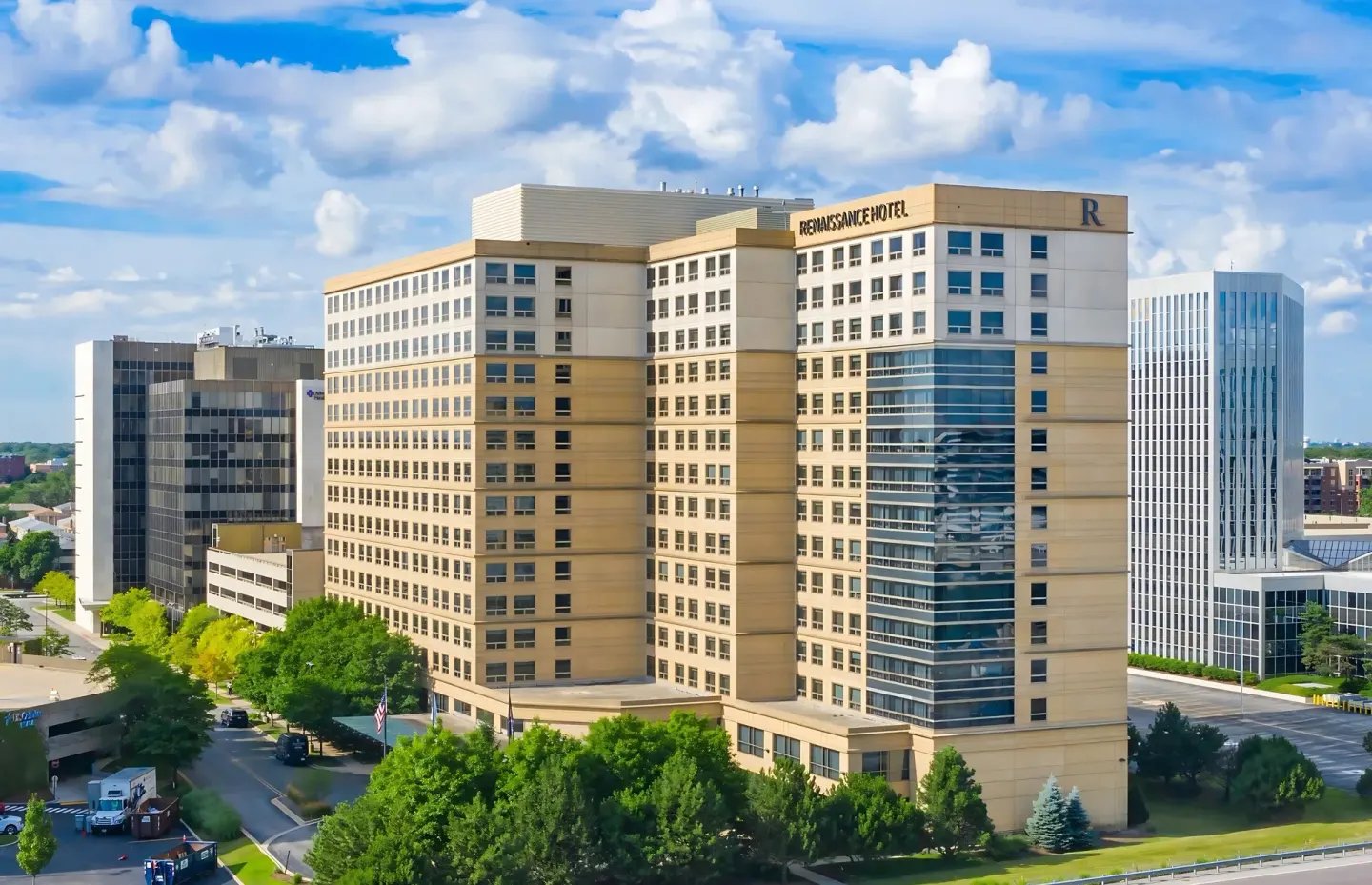
November–December: Late fall into the holidays
November can be a good shoulder month: cooler but often tolerable for sightseeing and lower hotel demand. December becomes busy around holiday travel dates and can be cold with snow.
If you visit in late November or December for events or conventions, plan for winter clothing and possible travel disruptions, and use the hotel’s conveniences (24-hour shuttle, on-site dining) to simplify logistics.
- Pack warm clothing and layers; expect colder nights as December progresses.
- Holiday periods can increase demand and transit traffic—reserve Asado or check The Market for holiday hours.
- Indoor hotel amenities (pool, R Bar, The Market, Starbucks) provide alternatives when weather is poor.
| When to go | What to expect |
|---|---|
| November (early–mid) | Shoulder-season savings, variable weather |
| December (holiday weeks) | Higher demand, winter conditions, plan for busy travel |